How a D2C Ecommerce Agency Helps You Understand and Use Customer Data
The Future of Retail: Exactly How D2C Ecommerce Services Can Change Your Business
The retail landscape is advancing, driven by the rise of direct-to-consumer (D2C) ecommerce solutions. Brand names are significantly looking for means to get in touch with consumers on a personal degree while enhancing their operations. This shift not only enhances earnings margins yet likewise modifies the shopping experience considerably. As businesses adapt to these modifications, the effects for brand commitment and consumer involvement become vital. What strategies will specify success in this brand-new era?
Understanding the D2C Ecommerce Version
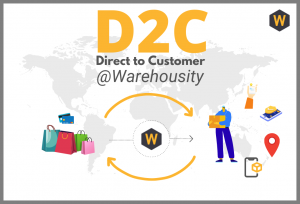
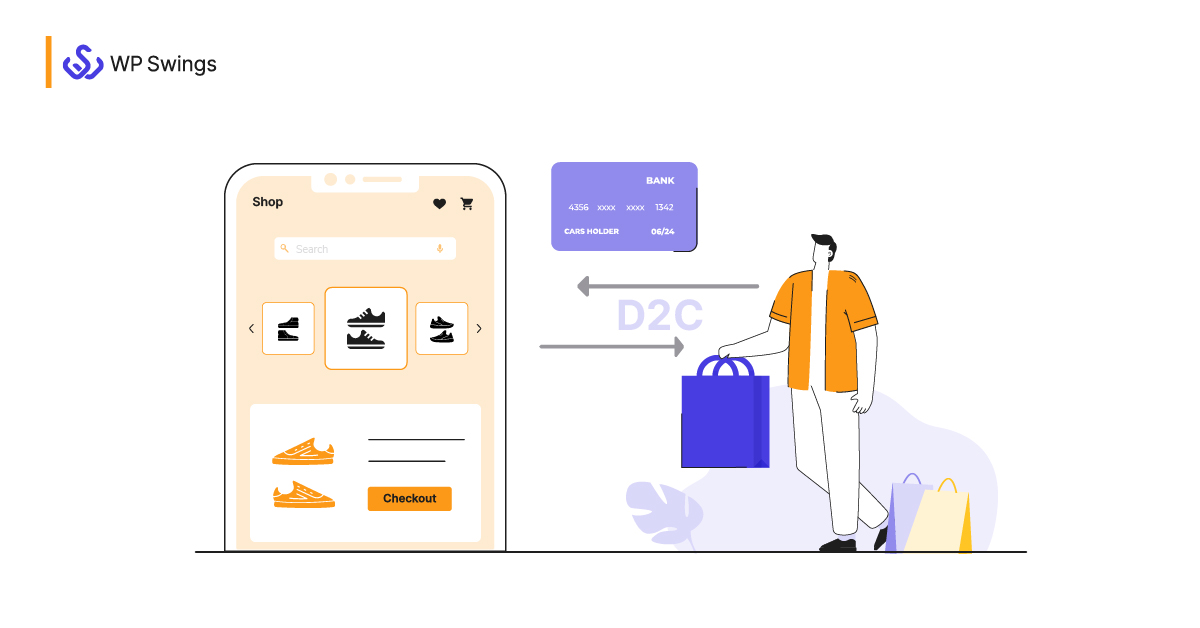
As consumers increasingly seek personalized buying experiences, the Direct-to-Consumer (D2C) ecommerce design has arised as a transformative method in retail. This model allows brand names to offer directly to their customers, bypassing traditional middlemans like wholesalers and merchants. By developing a straight connection with customers, companies can obtain deeper insights into consumer choices and behaviors.D2C ecommerce leverages electronic platforms, making it possible for brand names to manage their advertising, rates, and shipment procedures. This strategy promotes agility, permitting companies to adapt swiftly to market patterns and customer comments. Importantly, D2C designs typically utilize information analytics to boost item offerings and client involvement strategies.In a significantly competitive landscape, the D2C model encourages businesses to grow brand name loyalty and create customized experiences that resonate with their target market. This way, understanding the ins and outs of D2C ecommerce is essential for brand names aiming to thrive in the contemporary retail atmosphere.
Advantages of Direct-to-Consumer Techniques
While many services grapple with the intricacies of standard retail, the Direct-to-Consumer (D2C) strategy offers distinctive advantages that can greatly boost brand efficiency. By reducing out middlemans, brands keep better control over their prices, item discussion, and total client experience. This direct relationship promotes brand name commitment, as customers feel extra attached to the brand name and its values.Additionally, D2C approaches usually cause greater profit margins, since services can retain the whole list price instead of sharing it with representatives or sellers. D2C versions additionally allow brands to respond quickly to market patterns and customer preferences, assisting in more active supply monitoring and product advancement. Additionally, organizations can create personalized advertising projects that resonate with their audience, eventually driving greater conversion prices. In this progressing retail landscape, D2C strategies offer a chance for brands to distinguish themselves and achieve sustainable development.
Leveraging Data Analytics for Consumer Insights
Understanding Customer Behavior Patterns
Just how can organizations successfully translate the complexities of consumer behavior in a rapidly progressing electronic landscape? By utilizing information analytics, business can acquire important understandings into their consumers' motivations, behaviors, and preferences. Assessing surfing patterns, acquisition background, and feedback enables brands to identify patterns and sector their target market properly. This understanding not only improves item offerings however also individualizes advertising and marketing techniques, cultivating stronger consumer relationships. Additionally, organizations can check social media communications and on-line evaluations to evaluate belief and adjust to altering consumer assumptions. By doing this, data-driven techniques encourage brand names to expect requirements and improve their strategies, inevitably leading to boosted customer satisfaction and commitment in the affordable D2C ecommerce setting.
Predictive Analytics for Patterns
As companies endeavor to remain competitive in the D2C ecommerce landscape, leveraging predictive analytics comes to be crucial for identifying emerging trends and consumer preferences. By analyzing historic information, firms can forecast future purchasing behaviors, allowing them to tailor their offerings effectively. Predictive analytics allows retailers to segment their audience based upon purchasing patterns, making sure targeted marketing techniques that reverberate with unique consumer teams. Furthermore, these understandings promote supply monitoring, reducing overstock and minimizing stockouts. As brand-new patterns emerge, companies can promptly adapt their product, improving consumer complete satisfaction and loyalty. Ultimately, the combination of predictive analytics encourages D2C brand names to make data-driven decisions, fostering technology and development in a progressively vibrant market.
Enhancing Consumer Engagement With Personalization
While many brand names recognize the value of client engagement, customization emerges as a crucial approach to foster deeper links with consumers (D2C Ecommerce Agency). By leveraging information analytics, brand names can tailor experiences to private preferences, developing a much more appropriate purchasing journey. Tailored suggestions, targeted promotions, and customized material significantly improve the client experience, making consumers feel valued and understood.Moreover, using numerous interaction networks allows brand names to involve consumers in manner ins which resonate with them. Individualized e-mails, social media interactions, and tailored site experiences can drive loyalty and repeat purchases. This approach not only enhances consumer check out here contentment but also encourages brand name advocacy, as satisfied customers are more probable to share their favorable experiences with others.Ultimately, personalization is not just a fad but an essential element of effective D2C ecommerce strategies, enabling brands to build enduring connections and elevate their market presence
Simplifying Supply Chain and Procedures
Structure Brand Name Loyalty in an Affordable Market
Customized Shopping Experience
The contemporary customer landscape is defined by a frustrating option of brand names and products, making it important for companies to separate themselves with personalized shopping experiences. By leveraging data analytics and customer understandings, brands can tailor their offerings to private choices, therefore boosting client fulfillment. Individualized referrals, targeted promotions, and personalized interaction can promote a sense of connection, making customers really feel valued. This approach not only improves prompt sales yet additionally cultivates long-lasting brand name loyalty. In addition, D2C ecommerce services enable brands to gather real-time feedback and adjust their techniques as necessary, making sure relevance in a vibrant market. Ultimately, a tailored purchasing experience can change laid-back purchasers right into committed supporters, solidifying a brand name's placement in a competitive landscape.
Engaging Brand Name Storytelling
Engaging brand have a peek at this website name storytelling offers as an effective tool for companies striving to develop commitment in a competitive market. By weaving stories that resonate with customers, brands can create psychological links that extend beyond purchases. Involving stories highlight a brand name's values, goal, and special selling propositions, enabling consumers to relate to the brand on a personal degree. D2C Ecommerce Agency. This link promotes trust fund and urges repeat acquisitions, as consumers really feel aligned with a brand's values. Furthermore, reliable storytelling can differentiate a brand name from its competitors, making it much more memorable in a congested industry. As consumers progressively seek credibility and meaning in their options, brand names that spend in engaging narration are most likely to grow long lasting relationships and boost client loyalty
Future Trends in D2C Ecommerce Solutions
As customer preferences advance, D2C ecommerce solutions are positioned to undertake substantial makeovers in the coming years. Enhanced customization will become a key pattern, with brand names leveraging AI and information analytics to customize buying experiences to specific customers. In addition, sustainability will become a prime focus, as consumers significantly seek green products and clear supply chains, prompting brand names to adopt greener practices.Omnichannel strategies will likewise obtain traction, integrating online systems with physical touchpoints to create seamless client trips. Mobile business will certainly remain to broaden, driven by developments in innovation and transforming shopping actions, making it necessary for brand names to maximize their mobile user interfaces. Social commerce is set to increase, with platforms helping with straight purchases with social media, enhancing brand communication. Inevitably, these fads represent a change towards a lot more active, consumer-centric techniques in D2C ecommerce, making it possible for brands to remain affordable in this page a quickly changing landscape.
Frequently Asked Questions
What Initial Investments Are Required for Starting a D2C Ecommerce Service?
Starting a D2C ecommerce business calls for initial investments in internet site advancement, supply, electronic marketing, and logistics. Additionally, funds for branding, consumer service, and settlement handling systems are important to establish an effective on the internet existence.
Just How Can Little Companies Take On Developed D2C Brands?
Small companies can contend with well established D2C brand names by concentrating on particular niche markets, leveraging individualized client experiences, using social media for involvement, and implementing agile strategies that adjust to consumer responses and sector trends.
What Prevail Obstacles Dealt With by D2C Ecommerce Startups?
Typical difficulties faced by D2C ecommerce start-ups include minimal brand recognition, high client procurement expenses, supply chain administration concerns, competition from developed gamers, and the need for efficient electronic advertising approaches to drive traffic and conversions. - D2C Ecommerce Agency
Just how Do Reimbursements and returns Job in D2C Ecommerce?
In D2C ecommerce, returns and reimbursements typically entail clients initiating the process via the site. Policies vary by business, however most give clear guidelines, durations, and problems for returning items, making certain client contentment and loyalty.
Are There Lawful Considerations for D2C Ecommerce Businesses?
Legal considerations for D2C ecommerce organizations include compliance with consumer security regulations, data privacy guidelines, and copyright rights. Business have to also address tax and shipping laws to ensure authorized operations in their particular markets. Significantly, D2C versions typically utilize data analytics to boost product offerings and client involvement strategies.In a significantly affordable landscape, the D2C model empowers services to grow brand commitment and develop tailored experiences that reverberate with their target audience. While lots of services grapple with the intricacies of traditional retail, the Direct-to-Consumer (D2C) strategy offers unique advantages that can substantially boost brand name performance. D2C models additionally permit brands to react swiftly to market patterns and consumer preferences, promoting more nimble stock administration and item advancement. Additionally, D2C ecommerce solutions make it possible for brand names to gather real-time feedback and adapt their methods as necessary, making certain relevance in a dynamic market. Involving stories highlight a brand name's worths, objective, and one-of-a-kind selling propositions, permitting consumers to recognize with the brand name on an individual level.